San Antonio, Pichincha Airbnb Market Data 2026: STR Report & Statistics
How much can you earn on Airbnb in San Antonio, Pichincha? Based on AirROI's 2026 dataset (March 2025 – February 2026), the short answer is $2,128 per year — at a $56 nightly rate, 21.7% occupancy, and a N/A RevPAR.
With just 20 active listings, San Antonio is a micro-market where selective demand that rewards strong listing quality and pricing strategy. Supply grew 185.7% year over year, and the market is recalibrating around a new competitive baseline. This is the stage where hosts who invest in amenities, guest experience, and dynamic pricing build durable advantages that compound as the market matures.
Regulation is low with minimal registration requirements, pointing to an operator-friendly environment. In a market this size, differentiated listings with strong reviews can capture outsized returns relative to the competition.

Table of Contents [hide] [show]
What Are the Key Airbnb Metrics in San Antonio?
In San Antonio, the headline Airbnb metrics are $2,128 in average annual revenue,21.7% occupancy, $56 ADR, and $0 in RevPAR, and guests book about 14 days in advance.
How Much Do Airbnb Hosts Earn Monthly in San Antonio?
Understanding the monthly revenue variations for Airbnb listings in San Antonio is key to maximizing your short term rental income potential. Seasonality significantly impacts earnings. Our analysis, based on data from the past 12 months, shows that the peak revenue month for STRs in San Antonio is typically May, while February often presents the lowest earnings, highlighting opportunities for strategic pricing adjustments during shoulder and low seasons. Explore the typical Airbnb income in San Antonio across different performance tiers:
- Best-in-class properties (Top 10%) achieve $843+ monthly, often utilizing dynamic pricing and superior guest experiences.
- Strong performing properties (Top 25%) earn $509 or more, indicating effective management and desirable locations/amenities.
- Typical properties (Median) generate around $198 per month, representing the average market performance.
- Entry-level properties (Bottom 25%) see earnings around $92, often with potential for optimization.
Average Monthly Airbnb Earnings Trend in San Antonio
What Is the Monthly Airbnb Occupancy Rate in San Antonio?
Maximize your bookings by understanding the San Antonio STR occupancy trends. Seasonal demand shifts significantly influence how often properties are booked. Typically, Octobersees the highest demand (peak season occupancy), while January experiences the lowest (low season). Effective strategies, like adjusting minimum stays or offering promotions, can boost occupancy during slower periods. Here's how different property tiers perform in San Antonio:
- Best-in-class properties (Top 10%) achieve 48%+ occupancy, indicating high desirability and potentially optimized availability.
- Strong performing properties (Top 25%) maintain 30% or higher occupancy, suggesting good market fit and guest satisfaction.
- Typical properties (Median) have an occupancy rate around 16%.
- Entry-level properties (Bottom 25%) average 9% occupancy, potentially facing higher vacancy.
Average Monthly Occupancy Rate Trend in San Antonio
What Is the Average Airbnb Nightly Rate in San Antonio?
Effective short term rental pricing strategy in San Antonio involves understanding monthly ADR fluctuations. The Average Daily Rate (ADR) for Airbnb in San Antonio typically peaks in September and dips lowest during April. Leveraging Airbnb dynamic pricing tools or strategies based on this seasonality can significantly boost revenue. Here's a look at the typical nightly rates achieved:
- Best-in-class properties (Top 10%) command rates of $138+ per night, often due to premium features or locations.
- Strong performing properties (Top 25%) achieve nightly rates of $66 or more.
- Typical properties (Median) charge around $30 per night.
- Entry-level properties (Bottom 25%) earn around $23 per night.
Average Daily Rate (ADR) Trend by Month in San Antonio
What Is the RevPAR for Airbnb in San Antonio?
RevPAR in San Antonio is currently N/A. Because RevPAR combines nightly rates with realized occupancy, it is one of the cleanest ways to compare how efficiently listings turn demand into revenue across the market.
- Entry-level properties (Bottom 25%) see N/A RevPAR.
- Typical properties (Median) generate N/A RevPAR.
- Strong performers (Top 25%) earn N/A RevPAR.
- Best-in-class (Top 10%) achieve N/A RevPAR.
Average Monthly RevPAR Trend in San Antonio
RevPAR Insights for San Antonio
- RevPAR peaks in Jan and bottoms out in Jan, mirroring the broader seasonal demand pattern and suggesting opportunities for dynamic pricing.
Recommendations for Hosts
- Track your own RevPAR monthly against these San Antonio benchmarks. If your RevPAR falls below the median of N/A, examine whether low occupancy or low ADR is the primary drag.
- Use RevPAR rather than revenue alone when comparing properties of different sizes — it normalizes for available nights and gives a more accurate picture of performance.
Get Live San Antonio Market Intelligence 👇
Explore Real-time Analytics
When Is the Peak Season for Airbnb in San Antonio?
San Antonio's peak Airbnb season falls in May, November, July, while the softest stretch is January, February, June. Overall, the market shows highly seasonal trends requiring careful strategy, which should guide pricing, minimum stays, and cash-flow planning.
Peak Season (May, November, July)
- Revenue averages $503 per month
- Occupancy rates average 26.6%
- Daily rates average $52
Shoulder Season
- Revenue averages $350 per month
- Occupancy maintains around 24.4%
- Daily rates hold near $52
Low Season (January, February, June)
- Revenue drops to average $174 per month
- Occupancy decreases to average 10.3%
- Daily rates adjust to average $52
Seasonality Insights for San Antonio
- Airbnb seasonality in San Antonio is pronounced. Revenue swings sharply between peak and low months, which means pricing strategy, minimum-stay settings, and cash reserves all need to account for extended slower periods.
- During the high season, the absolute peak month showcases San Antonio's highest earning potential, with monthly revenues climbing to $540, occupancy reaching 29.5%, and ADRs peaking at $55.
- Conversely, the slowest single month marks the market's lowest point — revenue may dip to $121, occupancy could drop to 8.3%, and ADRs may adjust to $50.
- Lower occupancy paired with meaningful seasonality means hosts in San Antonio need to maximize every peak-season booking and seriously consider whether off-season pricing adjustments or minimum-stay changes can capture incremental revenue.
Seasonal Strategies for Maximizing Profit
- Peak Season: Maximize revenue through premium pricing and potentially longer minimum stays. Ensure high availability and consider tightening cancellation policies to reduce last-minute gaps.
- Low Season: Offer competitive pricing, extended-stay discounts, and flexible cancellation policies. Target off-season travelers like remote workers, budget-conscious guests, and travelers with flexible schedules.
- Shoulder Seasons: Implement dynamic pricing that bridges peak and low rates. Target weekend travelers, local events, and business visitors. Slightly more flexible terms than peak season can help maintain occupancy without deep discounting.
- In a highly seasonal market like San Antonio, building a cash reserve during the top months is essential for covering fixed costs during the slow period. Automated pricing tools can help capture demand shifts in real time.
Do You Need a License for Airbnb in San Antonio?
Low regulation and minimal registration activity in San Antonio, Pichincha, Ecuador point to an operator-friendly environment. That said, even low-regulation markets may have tax collection requirements, safety standards, or HOA rules that affect short-term rental operations. Always verify the latest short-term rental regulations and Airbnb license requirements directly with local government authorities for San Antonio to ensure full compliance before hosting.
(Source: AirROI data, 2026, finding no licensed listings among those analyzed)
What Are the Best Neighborhoods for Airbnb in San Antonio?
With a compact short-term rental market, San Antonio gives early-mover hosts an advantage in the right neighborhoods. The areas listed below are where guest demand and local attractions converge — a useful lens for investors evaluating whether to enter this market and where to position their listing.
| Neighborhood / Area | Why Host Here? (Target Guests & Appeal) | Key Attractions & Landmarks |
|---|---|---|
| Centro Histórico | The historic center of San Antonio is full of colonial architecture, museums, and vibrant culture. It attracts tourists interested in history and local culture. | La Catedral de San Antonio, Parque Sucre, Museo del Oro, Mirador de la Colina, Teatro Sucre |
| La Mariscal | A bustling area known for its nightlife, restaurants, and proximity to major attractions. Popular among young travelers and those looking for entertainment. | Plaza Foch, Casa de la Cultura Ecuatoriana, La Carolina Park, artisan markets, bars and clubs |
| El Poblado | A residential neighborhood known for its local flavor and peaceful ambiance, offering a taste of everyday life in San Antonio. | Cajón del Río, local eateries, artisanal shops |
| Parque La Carolina | A large urban park in the city, perfect for outdoor activities and relaxation, attracting both locals and tourists. | Gardens, sports facilities, walking paths, art installations |
| Cumbayá | A suburban area that offers a quieter environment with beautiful views, popular among families and those seeking tranquility. | Universidad San Francisco de Quito, local markets, hiking trails |
| Tumbaco | Another suburban area known for its natural beauty and residential charm, appealing to travelers looking for peace and quiet. | Rural landscapes, local cafes, artisan workshops |
| Sangolquí | This area combines cultural aspects with beautiful surroundings, attracting tourists interested in local traditions and nature. | Sangolquí Market, Cultural events, Andean landscapes |
| Los Chillos | A popular area for nature lovers with access to outdoor activities and beautiful scenery, making it a good spot for eco-tourism. | Cotopaxi National Park, Estadios, hiking trails |
With 8 distinct neighborhoods showing meaningful short-term rental activity, San Antonio offers diversification within a single market. Investors can tailor their strategy — from high-turnover tourist zones to quieter residential areas that attract longer stays and remote workers.
What Types of Properties Are on Airbnb in San Antonio?
Room Type Distribution
Property Type Distribution
Market Composition Insights for San Antonio
- The San Antonio Airbnb market composition is heavily skewed towards Entire Home/Apt listings, which make up 85% of the 20 active rentals. This indicates strong guest preference for privacy and space.
- Looking at the property type distribution in San Antonio, House properties are the most common (60%), reflecting the local real estate landscape.
- Houses represent a significant 60% portion, catering likely to families or larger groups.
- The presence of 10% Hotel/Boutique listings indicates integration with traditional hospitality.
San Antonio Airbnb Room Capacity Analysis (2026): Bedroom Distribution
Distribution of Listings by Number of Bedrooms
Room Capacity Insights for San Antonio
- The dominant room capacity in San Antonio is 3 bedrooms listings, making up 35% of the market. This suggests a strong demand for properties suitable for families or small groups.
- Together, 3 bedrooms and 2 bedrooms properties represent 60.0% of the active Airbnb listings in San Antonio, indicating a high concentration in these sizes.
- A significant 50.0% of listings offer 3+ bedrooms, catering to larger groups and families seeking more space in San Antonio.
San Antonio Vacation Rental Guest Capacity Trends (2026)
Distribution of Listings by Guest Capacity
Guest Capacity Insights for San Antonio
- The most common guest capacity trend in San Antonio vacation rentals is listings accommodating 6 guests (20%). This suggests the primary traveler segment is likely larger groups.
- Properties designed for 6 guests and 2 guests dominate the San Antonio STR market, accounting for 40.0% of listings.
- 45.0% of properties accommodate 6+ guests, serving the market segment for larger families or group travel in San Antonio.
- On average, properties in San Antonio are equipped to host 4.5 guests.
What Amenities Do Airbnb Guests Expect in San Antonio?
Amenity Prevalence
Amenity Insights for San Antonio
- Essential amenities in San Antonio that guests expect include: Wifi, Free parking on premises. Lacking these (any) could significantly impact bookings.
- Popular amenities like Kitchen, TV, Hot water are common but not universal. Offering these can provide a competitive edge.
Recommendations for Hosts
- Ensure your listing includes all essential amenities for San Antonio: Wifi, Free parking on premises.
- Prioritize adding missing essentials: Free parking on premises.
- Consider adding popular differentiators like Kitchen or TV to increase appeal.
- Highlight unique or less common amenities you offer (e.g., hot tub, dedicated workspace, EV charger) in your listing description and photos.
- Regularly check competitor amenities in San Antonio to stay competitive.
Dive Deeper: Advanced San Antonio STR Market Data (2026)
Ready to unlock more insights? AirROI provides access to advanced metrics and comprehensive Airbnb data for San Antonio. Explore detailed analytics beyond this report to refine your investment strategy, optimize pricing, and maximize your vacation rental profits.
Explore Advanced MetricsSan Antonio Airbnb Guest Demographics & Profile Analysis (2026)
Guest Profile Summary for San Antonio
- The typical guest profile for Airbnb in San Antonio consists of primarily domestic travelers (70%), often arriving from nearby Quito, typically belonging to the Post-2000s (Gen Z/Alpha) group (50%), primarily speaking Spanish or English.
- Domestic travelers account for 69.8% of guests.
- Key international markets include Ecuador (69.8%) and United States (5.7%).
- Top languages spoken are Spanish (59.2%) followed by English (26.5%).
- A significant demographic segment is the Post-2000s (Gen Z/Alpha) group, representing 50% of guests.
Recommendations for Hosts
- Target domestic marketing efforts towards travelers from Quito and Ibarra.
- Tailor amenities and listing descriptions to appeal to the dominant Post-2000s (Gen Z/Alpha) demographic (e.g., highlight fast WiFi, smart home features, local guides).
- Highlight unique local experiences or amenities relevant to the primary guest profile.
- Consider seasonal promotions aligned with peak travel times for key origin markets.
San Antonio Airbnb Booking Patterns (2026): Available vs. Booked Days
Available Days Distribution
Booked Days Distribution
Booking Pattern Insights for San Antonio
- The most common availability pattern in San Antonio falls within the 271-366 days range, representing 95% of listings. This suggests many properties have significant open periods on their calendars.
- Approximately 100.0% of listings show high availability (181+ days open annually), indicating potential for increased bookings or specific owner usage patterns.
- For booked days, the 1-30 days range is most frequent in San Antonio (45%), reflecting common guest stay durations or potential owner blocking patterns.
How Far in Advance Do Guests Book Airbnb in San Antonio?
Average Booking Lead Time by Month
Booking Lead Time Insights for San Antonio
- The overall average booking lead time for vacation rentals in San Antonio is 14 days.
- Guests book furthest in advance for stays during January (average 34 days), likely coinciding with peak travel demand or local events.
- The shortest booking windows occur for stays in October (average 2 days), indicating more last-minute travel plans during this time.
- Seasonally, Summer (19 days avg.) sees the longest lead times, while Fall (7 days avg.) has the shortest, reflecting typical travel planning cycles.
Recommendations for Hosts
- Use the overall average lead time (14 days) as a baseline for your pricing and availability strategy in San Antonio.
- For January stays, consider implementing length-of-stay discounts or slightly higher rates for bookings made less than 34 days out to capitalize on advance planning.
- During October, focus on last-minute booking availability and promotions, as guests book with very short notice (2 days avg.).
- Target marketing efforts for the Summer season well in advance (at least 19 days) to capture early planners.
- Monitor your own booking lead times against these San Antonio averages to identify opportunities for dynamic pricing adjustments.
San Antonio Airbnb Minimum Stay Requirements Analysis
Distribution of Listings by Minimum Night Requirement
1 Night
14 listings
70% of total
2 Nights
4 listings
20% of total
30+ Nights
2 listings
10% of total
Key Insights
- The most prevalent minimum stay requirement in San Antonio is 1 Night, adopted by 70% of listings. This highlights the market's preference for shorter, flexible bookings.
- A strong majority (90.0%) of the San Antonio Airbnb data shows acceptance of very short stays (1-2 nights), indicating a dynamic, high-turnover market.
Recommendations
- Align with the market by considering a 1 Night minimum stay, as 70% of San Antonio hosts use this setting.
- Explore offering discounts for stays of 30+ nights to attract the 10% of the market seeking extended stays.
- Adjust minimum nights based on seasonality – potentially shorter during low season and longer during peak demand periods in San Antonio.
San Antonio Airbnb Cancellation Policy Trends Analysis (2026)
Limited
1 listings
5% of total
Flexible
11 listings
55% of total
Moderate
6 listings
30% of total
Strict
2 listings
10% of total
Cancellation Policy Insights for San Antonio
- The prevailing Airbnb cancellation policy trend in San Antonio is Flexible, used by 55% of listings.
- The market strongly favors guest-friendly terms, with 85.0% of listings offering Flexible or Moderate policies. This suggests guests in San Antonio may expect booking flexibility.
Recommendations for Hosts
- Consider adopting a Flexible policy to align with the 55% market standard in San Antonio.
- Given the high prevalence of Flexible policies (55%), offering this can enhance booking appeal, especially during shoulder seasons.
- Using a Strict policy might deter some guests, as only 10% of listings use it. Evaluate if potential revenue protection outweighs possible lower booking rates.
- Regularly review your cancellation policy against competitors and market demand shifts in San Antonio.
What Do the Top Airbnb Listings in San Antonio Look Like?
Benchmark your potential! Explore examples of top-performing Airbnb properties in San Antoniobased on Trailing Twelve Month (TTM) revenue. Analyze their characteristics, revenue, occupancy rate, and ADR to understand what drives success in this market.
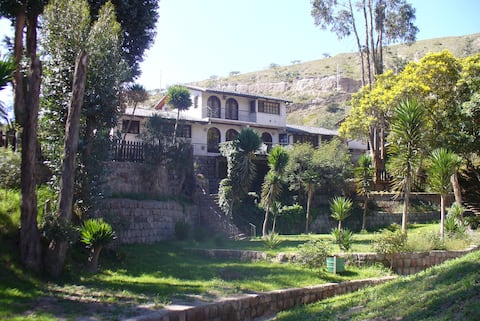
Villas Half of the World
Entire Place • 5 bedrooms

Fifth Vacation with Accommodation
Entire Place • 5 bedrooms
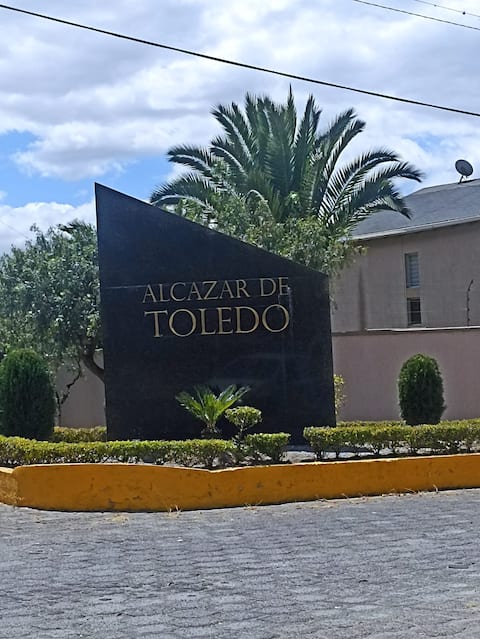
A residence with a cozy atmosphere
Entire Place • 4 bedrooms
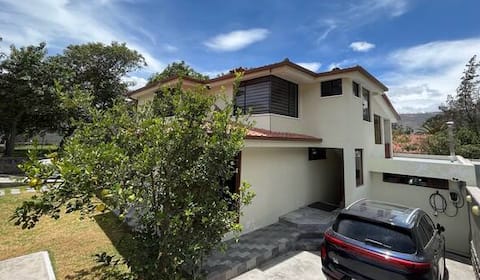
Cozy Apartment in the Middle of the World!
Entire Place • 3 bedrooms

Cozy Full House with Private Jacuzzi
Entire Place • 2 bedrooms

Comfortable independent apartment on the 2nd floor
Entire Place • 2 bedrooms
Note: Performance varies based on location, size, amenities, seasonality, and management quality. Data reflects the past 12 months.
Who Are the Top Airbnb Hosts in San Antonio?
Learn from the best! This table showcases top-performing Airbnb hosts in San Antonio based on the number of properties managed and estimated total revenue over the past year. Analyze their scale and performance metrics.
| Host Name | Properties | Grossing Revenue | Stay Reviews | Avg Rating |
|---|---|---|---|---|
| Pablo | 1 | $7,723 | 48 | 4.94/5.0 |
| Estevan | 1 | $7,034 | 7 | 5.00/5.0 |
| Ximena | 1 | $4,897 | 6 | 4.83/5.0 |
| Daniel | 2 | $4,511 | 144 | 4.97/5.0 |
| Ana Luisa | 1 | $3,567 | 19 | 5.00/5.0 |
| Angelica | 1 | $3,002 | 25 | 4.72/5.0 |
| Katerin | 1 | $2,249 | 61 | 4.79/5.0 |
| Marlene | 1 | $2,064 | 45 | 4.64/5.0 |
| Sr Manuel | 1 | $1,724 | 67 | 4.81/5.0 |
| Jessica Margoth | 1 | $1,585 | 28 | 4.89/5.0 |
Analyzing the strategies of top hosts, such as their property selection, pricing, and guest communication, can offer valuable lessons for optimizing your own Airbnb operations in San Antonio.
How Does San Antonio's Airbnb Market Compare to Nearby Cities?
How does the San Antonio Airbnb market stack up against its neighbors? Compare key performance metrics like average monthly revenue, ADR, and occupancy rates in surrounding areas to understand the broader regional STR landscape.
Compared with Alangasi, San Antonio has 17 percentage points lower occupancy and about $32 lower ADR. That helps frame whether this market is winning more on demand, pricing, or both.
| Market | Active Properties | Monthly Revenue | Daily Rate | Avg. Occupancy |
|---|---|---|---|---|
| Machachi | 16 | $793 | $161.39 | 19% |
| Puembo | 13 | $786 | $104.81 | 25% |
| Tonchigüe | 240 | $744 | $161.15 | 21% |
| Cumbaya | 92 | $700 | $77.08 | 38% |
| Alangasi | 15 | $622 | $88.46 | 39% |
| Aloasí | 11 | $613 | $206.68 | 12% |
| Pifo | 11 | $557 | $132.23 | 21% |
| Yaruquí | 20 | $552 | $142.72 | 20% |
| San Pablo del Lago | 17 | $455 | $121.73 | 15% |
| Mindo | 118 | $415 | $82.83 | 21% |
Frequently Asked Questions About Airbnb in San Antonio
These quick answers summarize the most common investor and operator questions using AirROI's latest market data for San Antonio.
How much do Airbnb hosts make in San Antonio?
San Antonio hosts earn about $2,128 per year on average, with an average nightly rate of $56 and RevPAR of N/A. Those figures describe the typical revenue environment for active listings in San Antonio, Pichincha, not the ceiling for the best operators. Source: AirROI 2026 data, San Antonio market, March 2025 to February 2026.
What is the average Airbnb occupancy rate in San Antonio?
The average Airbnb occupancy rate in San Antonio is 21.7%. May is the strongest month and February is the softest, so hosts should expect demand to move meaningfully throughout the year rather than stay flat.
What is the average Airbnb daily rate in San Antonio?
Listings in San Antonio average $56 per night. The broader pricing spread also matters: lower-performing listings cluster closer to the lower quartiles, while premium homes can price materially above the city average when demand spikes or listing quality stands out.
How many Airbnb listings are active in San Antonio?
San Antonio currently has about 20 active Airbnb listings in AirROI's market dataset. That supply count helps explain how competitive the market is, how much depth there is for benchmarking, and whether the market behaves like a niche destination or a scaled urban market.
How strict are short-term rental regulations in San Antonio?
AirROI currently classifies the short-term rental regulation level in San Antonio as Low. The dataset also shows about 0.0% of listings with registration evidence. That is a market signal, not legal advice, so hosts should still confirm current licensing and compliance rules locally before listing.
What is the RevPAR for Airbnb in San Antonio?
RevPAR in San Antonio is about N/A. That metric combines pricing and occupancy into one efficiency number, so it is often a better quick benchmark than ADR alone when investors want to compare how well listings convert nightly rates into realized revenue.
Is Airbnb profitable in San Antonio?
Occupancy of 21.7% means San Antonio is a more selective market. Profitability is achievable but requires careful cost management, premium positioning, or targeting longer stays to reduce turnover. Average annual revenue is $2,128, but individual returns depend on property type, location within the city, and the host's operating efficiency.
How far in advance do guests book Airbnb in San Antonio?
The average booking lead time in San Antonio is about 14 days — a relatively short booking window, meaning most guests decide within a few weeks of their trip — dynamic pricing can capture late demand. Hosts who understand their market's booking cadence can adjust minimum stays and pricing windows accordingly.
What are the best neighborhoods for Airbnb in San Antonio?
Based on AirROI's analysis, some of the top neighborhoods for short-term rentals in San Antonio include Centro Histórico, La Mariscal, El Poblado. Each area attracts different guest profiles — from business travelers to leisure visitors — so the best location depends on the property type and target audience a host is aiming for. See the full neighborhood breakdown above.
What type of property performs best on Airbnb in San Antonio?
entire_home listings make up 85.0% of the active supply in San Antonio. The most common configuration does not always mean the most profitable — operators who identify underserved property types or bedroom counts can sometimes outperform the market average by filling a gap in local supply.
How does San Antonio compare to nearby Airbnb markets?
Among neighboring markets, Machachi posts $9,518 in average annual revenue with 19.2% occupancy, compared to San Antonio's $2,128 and 21.7%. Comparing nearby markets helps investors understand whether a destination's performance reflects local demand or broader regional trends.
When is the peak season for Airbnb in San Antonio?
May is the highest-revenue month in San Antonio, while February is the softest. The revenue spread between them indicates a highly seasonal market — revenue in the peak month is more than double the low month, so cash-flow planning and pricing automation are critical.
About AirROI Market Data
AirROI tracks over 20 million properties across 190+ countries and maintains 15+ years of historical performance data, making it one of the deepest Airbnb and STR intelligence platforms available. The analytics pipeline aggregates listing-level data monthly — revenue, occupancy, nightly rates, RevPAR, guest demographics, booking patterns, and competitive supply — so investors and operators can benchmark any market against its own history and against neighboring destinations.
Real estate investors, property managers, financial institutions, hedge funds, tourism boards, hospitality consultants, tech platforms, and academic researchers rely on AirROI data to underwrite acquisitions, optimize pricing, model macro trends, and conduct peer-reviewed research. Data is available through in-depth market reports like this one and the Airbnb API with 22 endpoints and an Airbnb MCP Server for AI agents.
AirROI proprietary analytics as of 2026-02-28. Metrics reflect trailing twelve-month aggregates from active listings. Revenue figures are market averages, not projections. Neighborhood descriptions are AI-generated and reviewed for accuracy. For full methodology, see the data methodology page.