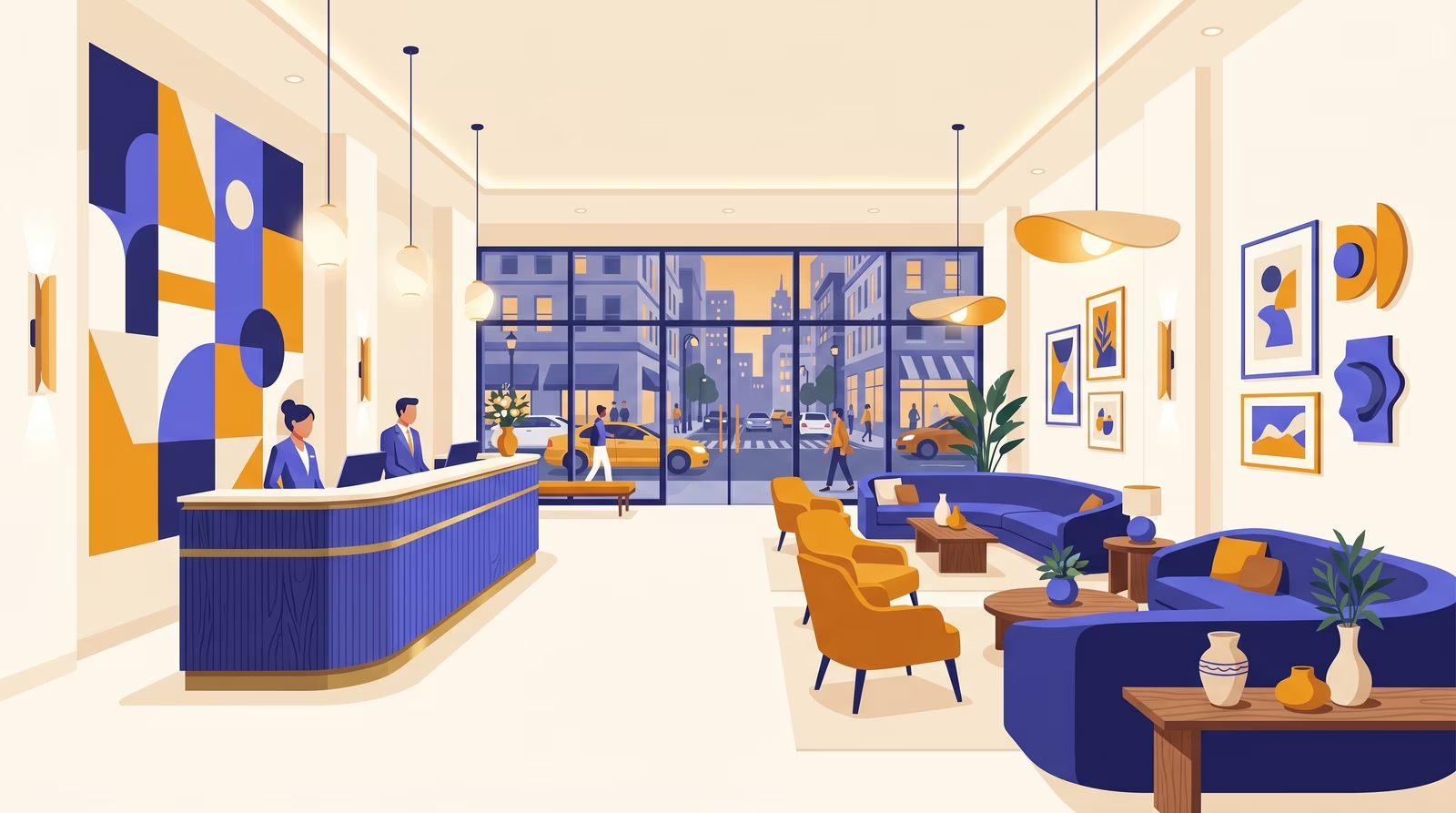
Boutique Hotel

Key Takeaways
- Boutique hotels are small independent properties (10–100 rooms) defined by distinctive design, personalized service, and creative identity — not corporate brand standards
- Airbnb actively courts boutique hotel operators with a dedicated property type, multi-room listing tools, and business travel features
- Boutique hotels compete with vacation rentals on atmosphere and service quality, not on space or kitchen access — the two segments appeal to different traveler profiles
- The unique stay positioning of boutique hotels drives premium nightly rates and strong repeat guest loyalty among design-conscious travelers
- B&B operators scaling beyond 10 rooms with a professional staff often transition into the boutique hotel category, inheriting a different regulatory and licensing framework
What Defines a Boutique Hotel
Four attributes consistently separate boutique hotels from both chain properties and residential short-term rentals.
Independent ownership. Most boutique hotels are owned and operated by independent entrepreneurs or small portfolios — free from the brand standards, mandated room layouts, and corporate procurement systems that govern chain properties. That independence is the source of creative freedom.
Small scale. Typically 10 to 100 rooms, the intimate scale allows staff to know guests by name and accommodate requests that a 400-room hotel cannot. Some operators claim the boutique label for properties up to 150 rooms, but below 100 is the widely accepted threshold.
Distinctive design. Each property carries a coherent aesthetic identity — curated art, custom furniture, locally sourced materials, and design elements that reflect a specific creative vision or cultural context. The physical space is itself a differentiator and a marketing asset.
Personalized service. The service model sits between the informal warmth of a B&B and the polished efficiency of a five-star chain hotel: attentive and knowledgeable, but not scripted. Staff local expertise, tailored recommendations, and genuine engagement define the guest experience.
Boutique Hotel vs Other Accommodation Types
| Feature | Boutique Hotel | Bed and Breakfast | Vacation Rental | Serviced Apartment |
|---|---|---|---|---|
| Room count | 10–100 | 2–10 | 1 property | Varies |
| Daily housekeeping | Yes | Limited | No | Yes |
| On-site staff | Professional team | Owner-operator | None on-site | Reception/concierge |
| Food and beverage | Restaurant/bar common | Breakfast included | Self-catering | Sometimes |
| Design emphasis | Very high | Moderate–high | Varies | Functional |
| Nightly rate | Premium | Mid–high | Varies | Mid–high |
| Guest independence | Moderate | Moderate | High | High |
| Platform presence | Hotel sites + Airbnb | Airbnb + direct | Airbnb + Vrbo | Corporate + Airbnb |
Why Boutique Hotels Matter for STR Investors and Hosts
Understanding the boutique hotel segment matters for short-term rental operators because these properties represent both direct competitors and an aspirational benchmark for professionalizing a hosting business.
As competitors. When a boutique hotel lists on Airbnb in a market like Nashville or Scottsdale, it competes head-to-head with self-managed vacation rentals at similar price points. AirROI data shows Nashville's trailing-12-month ADR at $353.60 — boutique hotel listings in that range force every individual host to justify their pricing through photography, amenities, and review quality. The quality bar for the entire market rises.
As a regulatory category. Boutique hotels operate under commercial lodging permits, not residential STR permits. In cities with strict STR night-cap rules, a boutique hotel classification can mean exemption from the caps that bind individual hosts. New York's Local Law 18, for example, applies to residential STR hosts — licensed hotels in the same city face a different, and often more permissive, regulatory framework.
Boutique hotels on STR platforms are not just competitors — they are a live demonstration of what design, service consistency, and brand identity can command at the top of any market.
Regulatory Differences Between Boutique Hotels and STRs
- In heavily regulated markets (New York, San Francisco), boutique hotel operators can legally offer nightly stays that would require a 30-day minimum from an individual host
- STR permit caps that restrict new residential hosts often do not constrain boutique hotels, which obtain commercial lodging licenses through a separate application pathway
- Zoning matters differently: boutique hotels need commercial or mixed-use zoning, while residential STRs can sometimes operate in residential zones under specific exemptions
Tips for Boutique Hotel Operators on STR Platforms
Showcase your design story. Your aesthetic is your primary differentiator. Professional photography that captures design details, common areas, and atmosphere communicates your brand identity before a traveler reads a single word of your listing.
Leverage Airbnb's professional hosting tools. Multi-room listing capabilities, the professional dashboard, and channel manager integrations allow boutique hotels to manage their STR presence without creating manual calendar conflicts across booking channels. Airbnb's business travel features add corporate traveler reach.
Highlight what vacation rentals cannot offer. Daily housekeeping, 24-hour staff access, communal spaces, and reliably managed accommodation are genuine differentiators. Make them explicit in listing descriptions rather than assuming travelers will infer them.
Create shareable moments. A statement wall, a rooftop terrace, a signature cocktail, or a room with an unusual feature generates guest social content at no incremental cost. In leisure markets where travelers document their trips, designed photographic moments function as earned media.
Frequently Asked Questions
A boutique hotel is a small, independently operated hotel typically offering 10 to 100 rooms with distinctive design, personalized service, and a unique character that sets it apart from chain properties. Unlike branded hotels, boutique hotels emphasize individuality through curated decor, local cultural elements, and intimate guest experiences. Many boutique hotels now list on Airbnb and other short-term rental platforms alongside traditional hotel booking channels.
Yes. Airbnb actively welcomes boutique hotels through its professional hosting tools and dedicated Boutique Hotel property type category. Hotels can list individual rooms or the entire property, access business travel features, and use channel manager integrations. This gives boutique operators access to Airbnb's leisure traveler audience beyond traditional hotel booking platforms.
Boutique hotels compete by offering professional-grade service, daily housekeeping, on-site amenities like restaurants or bars, and a curated design aesthetic that self-managed vacation rentals rarely match. While vacation rentals offer more space and kitchen access, boutique hotels appeal to travelers who value polished hospitality, walkable locations, and a reliably high-quality experience without the variability of individual host properties.
The industry generally defines a boutique hotel as a property with 10 to 100 rooms, though some operators use the term for properties with up to 150 rooms. Size alone is not the defining criterion — the combination of independent ownership, distinctive design, and personalized service distinguishes a boutique hotel from a small chain property.
Yes, in most jurisdictions. Boutique hotels are classified as commercial lodging and must meet hotel licensing, fire codes, zoning, and health inspection requirements that differ from residential STR permit frameworks. When a boutique hotel lists on Airbnb, it operates under its existing hotel license rather than a residential short-term rental permit, which means STR night-cap rules often do not apply to them.