One Tree Point Airbnb Market Analysis 2026: Short Term Rental Data & Vacation Rental Statistics in Northland, New Zealand
Is Airbnb profitable in One Tree Point in 2026? Explore comprehensive Airbnb analytics for One Tree Point, Northland, New Zealand to uncover income potential. This 2026 STR market report for One Tree Point, based on AirROI data from February 2025 to January 2026, reveals key trends in the niche market of 35 active listings.
Whether you're considering an Airbnb investment in One Tree Point, optimizing your existing vacation rental, or exploring rental arbitrage opportunities, understanding the One Tree Point Airbnb data is crucial. Leveraging the low regulation environment is key to maximizing your short term rental income potential. Let's dive into the specifics.
Key One Tree Point Airbnb Performance Metrics Overview
Monthly Airbnb Revenue Variations & Income Potential in One Tree Point (2026)
Understanding the monthly revenue variations for Airbnb listings in One Tree Point is key to maximizing your short term rental income potential. Seasonality significantly impacts earnings. Our analysis, based on data from the past 12 months, shows that the peak revenue month for STRs in One Tree Point is typically January, while June often presents the lowest earnings, highlighting opportunities for strategic pricing adjustments during shoulder and low seasons. Explore the typical Airbnb income in One Tree Point across different performance tiers:
- Best-in-class properties (Top 10%) achieve $4,490+ monthly, often utilizing dynamic pricing and superior guest experiences.
- Strong performing properties (Top 25%) earn $2,723 or more, indicating effective management and desirable locations/amenities.
- Typical properties (Median) generate around $1,390 per month, representing the average market performance.
- Entry-level properties (Bottom 25%) see earnings around $759, often with potential for optimization.
Average Monthly Airbnb Earnings Trend in One Tree Point
One Tree Point Airbnb Occupancy Rate Trends (2026)
Maximize your bookings by understanding the One Tree Point STR occupancy trends. Seasonal demand shifts significantly influence how often properties are booked. Typically, Februarysees the highest demand (peak season occupancy), while June experiences the lowest (low season). Effective strategies, like adjusting minimum stays or offering promotions, can boost occupancy during slower periods. Here's how different property tiers perform in One Tree Point:
- Best-in-class properties (Top 10%) achieve 69%+ occupancy, indicating high desirability and potentially optimized availability.
- Strong performing properties (Top 25%) maintain 55% or higher occupancy, suggesting good market fit and guest satisfaction.
- Typical properties (Median) have an occupancy rate around 33%.
- Entry-level properties (Bottom 25%) average 17% occupancy, potentially facing higher vacancy.
Average Monthly Occupancy Rate Trend in One Tree Point
Average Daily Rate (ADR) Airbnb Trends in One Tree Point (2026)
Effective short term rental pricing strategy in One Tree Point involves understanding monthly ADR fluctuations. The Average Daily Rate (ADR) for Airbnb in One Tree Point typically peaks in January and dips lowest during September. Leveraging Airbnb dynamic pricing tools or strategies based on this seasonality can significantly boost revenue. Here's a look at the typical nightly rates achieved:
- Best-in-class properties (Top 10%) command rates of $326+ per night, often due to premium features or locations.
- Strong performing properties (Top 25%) achieve nightly rates of $234 or more.
- Typical properties (Median) charge around $166 per night.
- Entry-level properties (Bottom 25%) earn around $108 per night.
Average Daily Rate (ADR) Trend by Month in One Tree Point
Get Live One Tree Point Market Intelligence 👇

Explore Real-time Analytics
Airbnb Seasonality Analysis & Trends in One Tree Point (2026)
Peak Season (January, December, February)
- Revenue averages $2,812 per month
- Occupancy rates average 39.8%
- Daily rates average $210
Shoulder Season
- Revenue averages $1,967 per month
- Occupancy maintains around 37.6%
- Daily rates hold near $184
Low Season (March, May, June)
- Revenue drops to average $1,516 per month
- Occupancy decreases to average 32.2%
- Daily rates adjust to average $186
Seasonality Insights for One Tree Point
- The Airbnb seasonality in One Tree Point shows highly seasonal trends requiring careful strategy. While the sections above show seasonal averages, it's also insightful to look at the extremes:
- During the high season, the absolute peak month showcases One Tree Point's highest earning potential, with monthly revenues capable of climbing to $3,635, occupancy reaching a high of 43.0%, and ADRs peaking at $222.
- Conversely, the slowest single month of the year, typically falling within the low season, marks the market's lowest point. In this month, revenue might dip to $1,344, occupancy could drop to 30.7%, and ADRs may adjust down to $179.
- Understanding both the seasonal averages and these monthly peaks and troughs in revenue, occupancy, and ADR is crucial for maximizing your Airbnb profit potential in One Tree Point.
Seasonal Strategies for Maximizing Profit
- Peak Season: Maximize revenue through premium pricing and potentially longer minimum stays. Ensure high availability.
- Low Season: Offer competitive pricing, special promotions (e.g., extended stay discounts), and flexible cancellation policies. Target off-season travelers like remote workers or budget-conscious guests.
- Shoulder Seasons: Implement dynamic pricing that balances peak and low rates. Target weekend travelers or specific events. Offer slightly more flexible terms than peak season.
- Regularly analyze your own performance against these One Tree Point seasonality benchmarks and adjust your pricing and availability strategy accordingly.
Best Areas for Airbnb Investment in One Tree Point (2026)
Exploring the top neighborhoods for short-term rentals in One Tree Point? This section highlights key areas, outlining why they are attractive for hosts and guests, along with notable local attractions. Consider these locations based on your target guest profile and investment strategy.
| Neighborhood / Area | Why Host Here? (Target Guests & Appeal) | Key Attractions & Landmarks |
|---|---|---|
| One Tree Point Beach | A family-friendly beach destination perfect for summer vacationers. Known for its safe swimming areas and water sports, it attracts families looking for a relaxing seaside getaway. | One Tree Point Beach, Water Sports, Fishing, Skate Park, Playgrounds |
| Ruakaka Beach | A popular surfing and beach destination, Ruakaka Beach offers beautiful sandy shores and a laid-back vibe. It's perfect for surfers and those looking to enjoy the sun and surf. | Ruakaka Beach, Surfing, Walking Tracks, Local Cafes |
| Whangarei Heads | A scenic area with stunning coastal landscapes and walking tracks. Great for nature lovers and outdoor enthusiasts seeking beautiful views and hiking opportunities. | Bream Head Scenic Reserve, Ocean Beach, Walking Trails, Bird Watching |
| Marsden Point | An industrial area transitioning towards tourism with opportunities for investment. Close to the port and industrial facilities, it appeals to business travelers and workers. | Marsden Point Beach, Port of Whangarei, Local Restaurants |
| Mangawhai Heads | A trendy coastal community known for its surf and artistic vibe. Attracts tourists looking for a more relaxed, local experience with great cafes and markets. | Mangawhai Heads Beach, Surfing, Mangawhai Markets, Estuary Walks |
| Kamo | A suburb of Whangarei that's closer to the city amenities while still offering suburban charm. It’s suitable for visitors wanting to explore Whangarei while enjoying local living. | Local Parks, Nearby Shops, Whangarei Art Museum |
| Parua Bay | A scenic bay area offering beautiful views and a relaxed lifestyle. Perfect for nature lovers and those seeking respite from city life while still being close to amenities. | Parua Bay, Local Beaches, Scenic Views, Walking Trails |
| Whangarei City | The nearest major city with a blend of urban amenities and nature. Offers shopping, dining, and cultural attractions, making it ideal for diverse travelers. | Whangarei Art Museum, Kiwi North, Whangarei Growers Market, Local Cafes |
Understanding Airbnb License Requirements & STR Laws in One Tree Point (2026)
While One Tree Point, Northland, New Zealand currently shows low STR regulations, specific Airbnb license requirements might still exist or change. Always verify the latest short term rental regulations and Airbnb license requirements directly with local government authorities for One Tree Point to ensure full compliance before hosting.
(Source: AirROI data, 2026, finding no licensed listings among those analyzed)
Top Performing Airbnb Properties in One Tree Point (2026)
Benchmark your potential! Explore examples of top-performing Airbnb properties in One Tree Pointbased on Trailing Twelve Month (TTM) revenue. Analyze their characteristics, revenue, occupancy rate, and ADR to understand what drives success in this market.
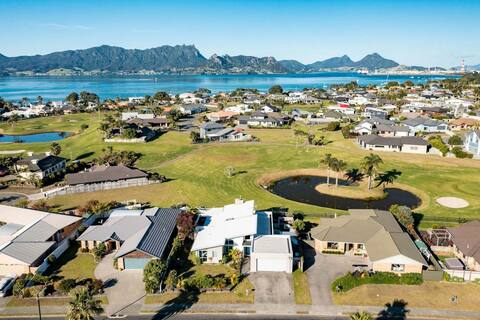
One Tree Point Beside Golf Course
Entire Place • 4 bedrooms
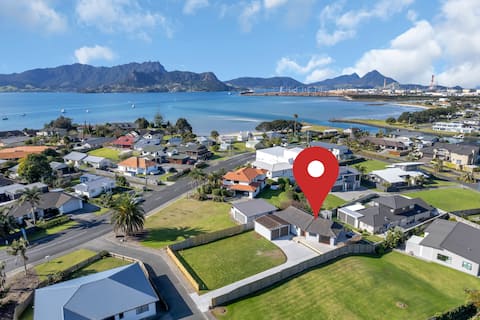
Family & Pet Fun: Pool table, hot tub, beach
Entire Place • 3 bedrooms
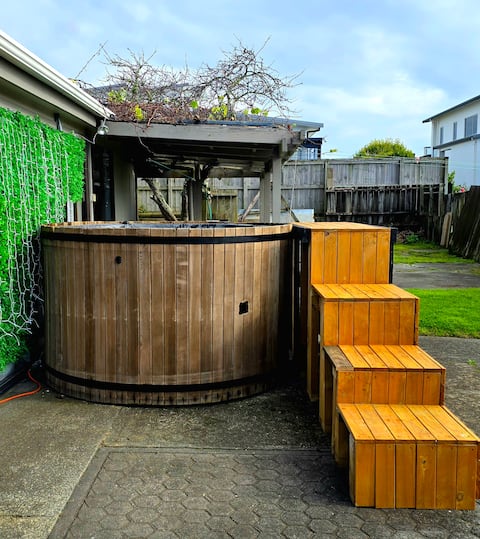
Group Getaway: Hot Tub, Beach, Games room
Entire Place • 5 bedrooms
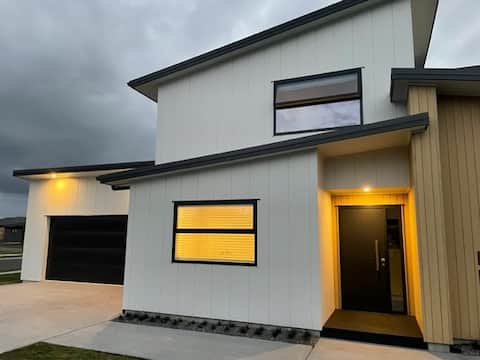
Modern 4 bedroom holiday home close to the beach
Entire Place • 4 bedrooms
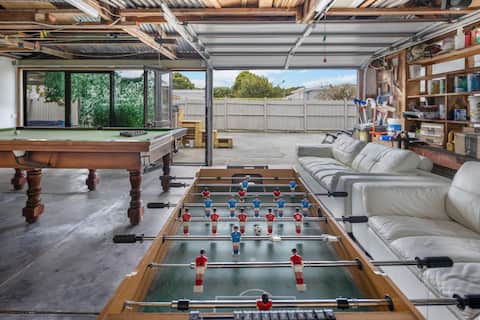
100m to Beach: Hot Tub, Kayaks, Pets, Games Room
Entire Place • 3 bedrooms
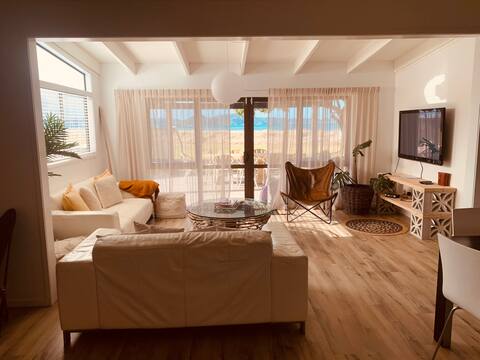
The Bach @ Marsden Waterfront
Entire Place • 4 bedrooms
Note: Performance varies based on location, size, amenities, seasonality, and management quality. Data reflects the past 12 months.
Top Performing Airbnb Hosts in One Tree Point (2026)
Learn from the best! This table showcases top-performing Airbnb hosts in One Tree Point based on the number of properties managed and estimated total revenue over the past year. Analyze their scale and performance metrics.
| Host Name | Properties | Grossing Revenue | Stay Reviews | Avg Rating |
|---|---|---|---|---|
| Elly | 6 | $190,747 | 76 | 4.90/5.0 |
| Leone & Mark | 5 | $148,512 | 298 | 4.96/5.0 |
| Jillian | 1 | $41,764 | 37 | 5.00/5.0 |
| Aileen | 1 | $34,989 | 104 | 4.94/5.0 |
| Russell | 1 | $20,521 | 256 | 4.97/5.0 |
| Harvey | 2 | $16,783 | 22 | 4.85/5.0 |
| Karen | 1 | $14,823 | 54 | 4.94/5.0 |
| Sue | 1 | $14,551 | 17 | 5.00/5.0 |
| Murray And Dianne | 1 | $13,835 | 156 | 4.94/5.0 |
| Shirley | 1 | $13,043 | 59 | 5.00/5.0 |
Analyzing the strategies of top hosts, such as their property selection, pricing, and guest communication, can offer valuable lessons for optimizing your own Airbnb operations in One Tree Point.
Dive Deeper: Advanced One Tree Point STR Market Data (2026)
Ready to unlock more insights? AirROI provides access to advanced metrics and comprehensive Airbnb data for One Tree Point. Explore detailed analytics beyond this report to refine your investment strategy, optimize pricing, and maximize your vacation rental profits.
Explore Advanced MetricsOne Tree Point Short-Term Rental Market Composition (2026): Property & Room Types
Room Type Distribution
Property Type Distribution
Market Composition Insights for One Tree Point
- The One Tree Point Airbnb market composition is heavily skewed towards Entire Home/Apt listings, which make up 85.7% of the 35 active rentals. This indicates strong guest preference for privacy and space.
- Looking at the property type distribution in One Tree Point, House properties are the most common (71.4%), reflecting the local real estate landscape.
- Houses represent a significant 71.4% portion, catering likely to families or larger groups.
- The presence of 8.6% Hotel/Boutique listings indicates integration with traditional hospitality.
One Tree Point Airbnb Room Capacity Analysis (2026): Bedroom Distribution
Distribution of Listings by Number of Bedrooms
Room Capacity Insights for One Tree Point
- The dominant room capacity in One Tree Point is 2 bedrooms listings, making up 31.4% of the market. This suggests a strong demand for properties suitable for couples or solo travelers.
- Together, 2 bedrooms and 4 bedrooms properties represent 54.3% of the active Airbnb listings in One Tree Point, indicating a high concentration in these sizes.
- A significant 45.7% of listings offer 3+ bedrooms, catering to larger groups and families seeking more space in One Tree Point.
One Tree Point Vacation Rental Guest Capacity Trends (2026)
Distribution of Listings by Guest Capacity
Guest Capacity Insights for One Tree Point
- The most common guest capacity trend in One Tree Point vacation rentals is listings accommodating 8+ guests (40%). This suggests the primary traveler segment is likely larger groups.
- Properties designed for 8+ guests and 4 guests dominate the One Tree Point STR market, accounting for 60.0% of listings.
- 51.4% of properties accommodate 6+ guests, serving the market segment for larger families or group travel in One Tree Point.
- On average, properties in One Tree Point are equipped to host 5.2 guests.
One Tree Point Airbnb Booking Patterns (2026): Available vs. Booked Days
Available Days Distribution
Booked Days Distribution
Booking Pattern Insights for One Tree Point
- The most common availability pattern in One Tree Point falls within the 181-270 days range, representing 48.6% of listings. This suggests many properties have significant open periods on their calendars.
- Approximately 91.5% of listings show high availability (181+ days open annually), indicating potential for increased bookings or specific owner usage patterns.
- For booked days, the 91-180 days range is most frequent in One Tree Point (48.6%), reflecting common guest stay durations or potential owner blocking patterns.
- A notable 8.6% of properties secure long booking periods (181+ days booked per year), highlighting successful long-term rental strategies or significant owner usage.
One Tree Point Airbnb Minimum Stay Requirements Analysis
Distribution of Listings by Minimum Night Requirement
1 Night
8 listings
22.9% of total
2 Nights
16 listings
45.7% of total
3 Nights
2 listings
5.7% of total
7-29 Nights
1 listings
2.9% of total
30+ Nights
8 listings
22.9% of total
Key Insights
- The most prevalent minimum stay requirement in One Tree Point is 2 Nights, adopted by 45.7% of listings. This highlights the market's preference for shorter, flexible bookings.
- A strong majority (68.6%) of the One Tree Point Airbnb data shows acceptance of very short stays (1-2 nights), indicating a dynamic, high-turnover market.
- A significant segment (22.9%) caters to monthly stays (30+ nights) in One Tree Point, pointing to opportunities in the extended-stay market.
Recommendations
- Align with the market by considering a 2 Nights minimum stay, as 45.7% of One Tree Point hosts use this setting.
- If feasible, allowing 1-night stays, especially midweek or during low season, could capture last-minute bookings, as only 22.9% currently do.
- Explore offering discounts for stays of 30+ nights to attract the 22.9% of the market seeking extended stays.
- Adjust minimum nights based on seasonality – potentially shorter during low season and longer during peak demand periods in One Tree Point.
One Tree Point Airbnb Cancellation Policy Trends Analysis (2026)
Limited
6 listings
17.1% of total
Flexible
7 listings
20% of total
Moderate
15 listings
42.9% of total
Firm
7 listings
20% of total
Cancellation Policy Insights for One Tree Point
- The prevailing Airbnb cancellation policy trend in One Tree Point is Moderate, used by 42.9% of listings.
- There's a relatively balanced mix between guest-friendly (62.9%) and stricter (20.0%) policies, offering choices for different guest needs.
Recommendations for Hosts
- Consider adopting a Moderate policy to align with the 42.9% market standard in One Tree Point.
- Regularly review your cancellation policy against competitors and market demand shifts in One Tree Point.
One Tree Point STR Booking Lead Time Analysis (2026)
Average Booking Lead Time by Month
Booking Lead Time Insights for One Tree Point
- The overall average booking lead time for vacation rentals in One Tree Point is 42 days.
- Guests book furthest in advance for stays during December (average 83 days), likely coinciding with peak travel demand or local events.
- The shortest booking windows occur for stays in June (average 17 days), indicating more last-minute travel plans during this time.
- Seasonally, Winter (65 days avg.) sees the longest lead times, while Summer (24 days avg.) has the shortest, reflecting typical travel planning cycles.
Recommendations for Hosts
- Use the overall average lead time (42 days) as a baseline for your pricing and availability strategy in One Tree Point.
- For December stays, consider implementing length-of-stay discounts or slightly higher rates for bookings made less than 83 days out to capitalize on advance planning.
- Target marketing efforts for the Winter season well in advance (at least 65 days) to capture early planners.
- Monitor your own booking lead times against these One Tree Point averages to identify opportunities for dynamic pricing adjustments.
Popular & Essential Airbnb Amenities in One Tree Point (2026)
Amenity Prevalence
Amenity Insights for One Tree Point
- Essential amenities in One Tree Point that guests expect include: Wifi, Free parking on premises. Lacking these (any) could significantly impact bookings.
- Popular amenities like Smoke alarm, TV, Hot water are common but not universal. Offering these can provide a competitive edge.
Recommendations for Hosts
- Ensure your listing includes all essential amenities for One Tree Point: Wifi, Free parking on premises.
- Prioritize adding missing essentials: Wifi, Free parking on premises.
- Consider adding popular differentiators like Smoke alarm or TV to increase appeal.
- Highlight unique or less common amenities you offer (e.g., hot tub, dedicated workspace, EV charger) in your listing description and photos.
- Regularly check competitor amenities in One Tree Point to stay competitive.
One Tree Point Airbnb Guest Demographics & Profile Analysis (2026)
Guest Profile Summary for One Tree Point
- The typical guest profile for Airbnb in One Tree Point consists of primarily domestic travelers (70%), often arriving from nearby Auckland, typically belonging to the Post-2000s (Gen Z/Alpha) group (50%), primarily speaking English or German.
- Domestic travelers account for 69.7% of guests.
- Key international markets include New Zealand (69.7%) and Australia (11.1%).
- Top languages spoken are English (68.5%) followed by German (6.7%).
- A significant demographic segment is the Post-2000s (Gen Z/Alpha) group, representing 50% of guests.
Recommendations for Hosts
- Target domestic marketing efforts towards travelers from Auckland and Wellington.
- Tailor amenities and listing descriptions to appeal to the dominant Post-2000s (Gen Z/Alpha) demographic (e.g., highlight fast WiFi, smart home features, local guides).
- Highlight unique local experiences or amenities relevant to the primary guest profile.
- Consider seasonal promotions aligned with peak travel times for key origin markets.
Nearby Short-Term Rental Market Comparison
How does the One Tree Point Airbnb market stack up against its neighbors? Compare key performance metrics like average monthly revenue, ADR, and occupancy rates in surrounding areas to understand the broader regional STR landscape.
| Market | Active Properties | Monthly Revenue | Daily Rate | Avg. Occupancy |
|---|---|---|---|---|
| Hot Water Beach | 27 | $2,949 | $257.55 | 50% |
| Whananaki | 14 | $2,368 | $364.38 | 36% |
| Waiheke | 580 | $2,274 | $338.47 | 32% |
| Hahei | 104 | $2,241 | $260.25 | 39% |
| Opito Bay | 16 | $1,911 | $294.47 | 29% |
| Waitematā | 1,525 | $1,702 | $146.61 | 50% |
| Tutukaka | 44 | $1,659 | $203.24 | 36% |
| Langs Beach | 26 | $1,598 | $343.61 | 29% |
| Baylys Beach | 12 | $1,559 | $131.00 | 46% |
| Paihia | 10 | $1,509 | $185.24 | 40% |