Local Airbnb rules2026 51 sources cited
Is Airbnb Legal in Tokyo? 2026 Rules, Permits & Taxes
Yes: Tokyo hosts notify their ward under the Minpaku Act to rent a home up to 180 nights a year. Ward rules add weekday limits, and lodging without notification or licence risks ¥1,000,000 and six months in prison.3,4,5,29,49,50
From 48 official sources and 3 Airbnb help pages. Not legal advice.
The short answer
Tokyo Airbnb Rules in Brief
- Notify the ward office before the first guest: up to 180 nights a year from 1 April, and a registered manager if you are away or have more than five rooms.
- Ward rules differ: weekday bans in residential zones (Shinjuku, Setagaya, Bunkyo), whole-ward limits (Chuo, Koto, Arakawa, Meguro; Sumida for absent hosts) and new limits in Shibuya, Taito and Toshima.
- Fines reach ¥1,000,000 or six months in prison for lodging without a licence or notification; Shinjuku has already ordered operators to close.
- Tax: 10% consumption tax only above the ¥10 million small-business threshold, and Tokyo's 3% accommodation tax reaches homes from April 1, 2027. Airbnb collects neither.
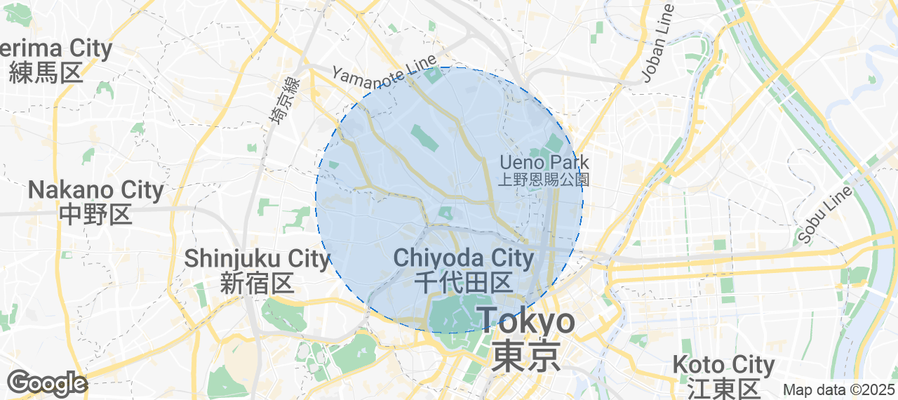 Browse the live Tokyo Airbnb market See Every Tokyo Listing
Revenue, occupancy and nightly rates are in the Tokyo Airbnb market report .
At a glance
Tokyo Airbnb Rules at a Glance
- Notification required
- Yes
- Taxes on a stay
- No tourist tax
- Yearly night cap
- 180 nights
- Fine for hosting without a permit
- Up to ¥1,000,000
- Active Airbnb listings
- 15,100
- Next rule change
- Dec 16, 2026
The rules in brief
The rules a Tokyo host meets first, each linked to the ordinance, statute or official page it comes from. Details and exceptions follow below.
| Topic | Rule |
|---|---|
| Permit | Notify the ward office before renting (Minpaku Act)3,4 |
| Who can host | The property must count as a home5,32 |
| Where | Shinjuku: no weekday stays in exclusively residential zones19 |
| Building rules | Condo rules and the landlord's consent come first4 |
| Night cap | 180 nights a year, counted from noon on 1 April32,50 |
| Platforms | Airbnb requires the notification number and an official document49 |
| Safety | Fire-law compliance certificate before notifying4 |
| Insurance | Insurance is recommended7 |
| Neighbours | Wards require advance notice to neighbours19,23,29,47 |
Your home
Can You Host an Airbnb in Tokyo? It Depends on the Home
Whether you can host in Tokyo turns on whose home it is and whether you live there.
Your own home, with you living there during stays
Allowed with conditionsAllowed with a ward notification, up to 180 nights a year; no manager is needed if you stay on site and offer no more than five rooms. Live-in hosts escape the zone and weekday limits in Ota, Minato, Suginami and Sumida (where the manager is on site) and can ask for permission in Nakano. Shinjuku, Chuo, Koto, Arakawa and Meguro set their weekday limits without a live-in exemption, and Taito bars weekdays for all homes notified from October 1, 2026.6,19,24,26,27,32,42,43
A home you are away from, run through a registered manager
Allowed with conditionsAllowed with a registered manager, and this is where ward limits bite hardest: Sumida bars Sunday noon to Friday noon unless the manager is on site, Minato and Ota close restricted zones, Taito bars weekdays for homes notified from October 1, 2026 and Toshima adds limits on December 16, 2026.6,24,26,27,29,32
A second home or investment flat
Allowed with conditionsA second home qualifies for notification only if the owner uses it from time to time, at least once a year. A new flat bought only for minpaku does not, and needs a Hotel Business Act licence (¥16,500 for a simple-lodging application in Shinjuku) or, in Ota Ward, a special-zone certification.5,11,20,33
Renting as a tenant
Allowed with conditionsAllowed only if the landlord, and any sub-lessor, consents to subletting for minpaku. The notification records that consent, so a tenant without it cannot notify, and condo rules still apply.4
Letting year-round, hotel-style, for more than 180 nights
Allowed with conditionsPossible with a Hotel Business Act licence, which has no 180-night cap but must meet zoning, fire and sanitation standards, or in Ota Ward with a special-zone certification at ¥20,500. Shinjuku has said in 2026 that it plans to tighten both routes.11,20,21,33
Permit
Do You Need a Permit for Airbnb in Tokyo?
Yes. Short-term rental hosts in Tokyo need the Minpaku Act notification to the ward office from mayor of the ward where the home stands (each of the 23 wards runs its own health office); filed online through the national Minpaku system (民泊制度運営システム). Outside the wards, the Tokyo Metropolitan Government takes notifications.. It costs ¥16,500.3,4,5,29,49,50
- Who needs it
- Anyone renting a home for paid stays who does not hold a Hotel Business Act licence or a special-zone certification must notify before the first guest. Lodging without a notification or licence is unlicensed lodging. The notification number then has to appear on the Airbnb listing.3,4,5,29,49,50
- Issued by
- The mayor of the ward where the home stands (each of the 23 wards runs its own health office); filed online through the national Minpaku system (民泊制度運営システム). Outside the wards, the Tokyo Metropolitan Government takes notifications.
- Valid for
- No expiry date. The host reports nights let, guest numbers and nationalities to the ward by the 15th of every even-numbered month for the previous two months, and keeps the notification current.
- Processing
- Toshima Ward warns that issuing the sign can take 3 months or more because of the number of notifications; other wards do not publish a time.
- On listings
- The number must appear on every listing
- Platform checks
- Airbnb asks for the notification number on the listing and an official document proving it is genuine, and counts every booking in a notified home towards the 180 nights and reports the nights to the Japan Tourism Agency.
Fees
| Fee | Amount |
|---|---|
| Hotel Business Act licence application, simple lodging (簡易宿所) or boarding house (Shinjuku Ward)Fee for the licence route used when a home does not qualify for notification or is let for more than 180 nights; ward fees differ and Shinjuku's schedule is shown here. | ¥16,500 |
| Hotel Business Act licence application, hotel or ryokan (Shinjuku Ward)Fee for a hotel or ryokan (旅館・ホテル) licence in Shinjuku Ward. | ¥30,600 |
| Special-zone minpaku certification application (Ota Ward)Application fee for certification under the Ota Ward special-zone scheme, which has no 180-night cap. | ¥20,500 |
Who qualifies
- The home has a kitchen, bathroom, toilet and washbasin in working order
- The home is lived in, is advertised for tenants or buyers, or is used by its owner or tenant from time to time (at least once a year); a new flat built only for minpaku does not qualify
- A fire-law compliance certificate (消防法令適合通知書) from the local fire department
- Tenants need the landlord's consent to sublet for minpaku; condo units need management rules and an owners' association policy that do not prohibit it
- The home is outside any area or period your ward bars (zones, weekdays, school districts), and the neighbour notice your ward requires has been given
How to apply
- Book a pre-consultation with the health office of your ward (生活衛生課); several wards, including Toshima, Sumida and Ota, take notifications and consultations by appointment
- Check the ward's area and period limits, the condo rules or landlord's consent, and obtain the fire-law compliance certificate from the fire department
- Give the neighbour notice your ward requires: Shinjuku asks for written notice 7 days before filing, Toshima 14 days before with a briefing meeting, Shibuya 60 days before for notifications from July 1, 2026, and Sumida a briefing or door-to-door visits before the filing day
- Appoint a registered manager (住宅宿泊管理業者) if you will be away during stays or offer more than five rooms
- File the notification through the Minpaku system or at the ward counter, collect the ward's sign, and display it where the public can see it
- Add the notification number and a supporting document to the Airbnb listing, and keep a guest register
Applications go through the official application page .
Permit rules
- Notify the ward office before renting (Minpaku Act)
- A person who wants to let a home for paid stays must notify the prefectural governor or, in Tokyo's 23 wards, the ward mayor, who take notifications, supervise hosts and set local rules. The host receives a notification number that goes on the listing and on the sign at the property.3,4 In force since June 15, 2018
- Airbnb requires the notification number and an official document
- To list a notified home in Japan, add the notification number to the listing and upload an official document that proves it. Using another person's number or giving false information is a criminal offence.49 Applies to: Hosts listing on Airbnb under the Minpaku Act
- Hotel Business Act licence for repeated paid lodging outside the Minpaku Act
- Letting a home repeatedly for payment as lodging is in principle a hotel business and needs a licence; hosts who skip the Minpaku Act notification usually apply for the simple-lodging (簡易宿所) licence. It has no 180-night cap, but the building must satisfy zoning, fire and sanitation standards, and the application fee in Shinjuku is ¥16,500.11,20 Applies to: Hosts who want more than 180 nights or whose property does not qualify as a home
- Ota Ward: special-zone minpaku certification with no 180-night cap
- Ota Ward certifies lodging under the National Strategic Special Zones Act for a fee of ¥20,500, and stays of 3 to 6 days need extra fire-escape measures. The ward tightened its rules and guidelines on April 1, 2026 after a rise in noise and rubbish complaints, and 481 facilities were certified at June 30, 2026.33,34 Applies to: Operators in Ota Ward · In force since April 1, 2026
Who can host
Who Can Host an Airbnb in Tokyo, and Where
- The property must count as a home
- The property needs a kitchen, bathroom, toilet and washbasin, and must be a home someone lives in, a home advertised to tenants or buyers, or a home its owner or tenant uses from time to time, at least once a year. A new flat bought only for minpaku, with no history of residential use, does not qualify.5,32
- A registered manager is required if you are away or have more than five rooms
- The host must hand day-to-day management to a registered Minpaku manager (住宅宿泊管理業者) when the notified home has more than five guest rooms, or when the host is absent while guests stay.6 Applies to: Hosts who are absent during stays or offer more than five rooms · In force since June 15, 2018
- Condo rules and the landlord's consent come first
- Before notifying, check that the condo management rules do not prohibit minpaku and that the owners' association has no policy of prohibiting it. A tenant or sub-tenant needs the landlord's and any sub-lessor's consent to sublet for minpaku.4 Applies to: Condo owners and tenants
- Shinjuku: no weekday stays in exclusively residential zones
- In exclusively residential zones (住居専用地域) a notified home may not operate from Monday noon to Friday noon. Outside those zones, Shinjuku allows the full 180 nights on any day of the week.19
- Shibuya: wider restricted zones for homes notified from July 1, 2026
- For homes notified from July 1, 2026, the restricted zones now include Category 1 and 2 residential zones and quasi-residential zones as well as school districts and low-rise and mid/high-rise exclusive residential zones, where only 63 days a year remain open. The exemption is limited to individuals who live on the same site and manage five rooms or fewer; homes notified by June 30, 2026 keep the earlier rule.23 Applies to: Homes notified in Shibuya Ward from 2026-07-01 · In force since July 1, 2026
- Sumida: no Sunday-noon to Friday-noon stays when the host is absent
- Across the whole ward, a host who is absent during stays may not operate from Sunday noon to Friday noon, unless the manager is on site in the home, in the same building, on the same plot or in a neighbouring building. The ordinance has applied since April 1, 2026.27,28 Applies to: Hosts in Sumida Ward who are away during stays · In force since April 1, 2026
- Toshima: area and period limits start on December 16, 2026
- Toshima has no area or period limits until December 15, 2026. From December 16, 2026 limits apply, and a notification that is accepted on or after that date is covered even if it was filed earlier, because the ward needs several weeks to review filings.29,31 Applies to: Hosts in Toshima Ward · Takes effect December 16, 2026
- Taito: no weekday stays for homes notified from October 1, 2026
- Homes notified from October 1, 2026 may not operate on weekdays, whether the host lives there or not. Homes notified by September 30, 2026 keep the earlier rule, under which an absent host without an on-site manager may not operate on weekdays.24,25 Applies to: Hosts in Taito Ward · In force since October 1, 2026
- Minato: absent hosts in restricted zones are shut for most of the year
- In the ward's restricted zones (exclusively residential zones and school districts), a host who is absent may not operate from 11 January noon to 20 March noon, 11 April noon to 10 July noon, and 1 September noon to 20 December noon.26 Applies to: Absent hosts in restricted zones of Minato Ward
- Setagaya: no stays from Monday noon to Saturday noon in residential zones
- In exclusively residential zones, minpaku is in principle barred from Monday noon to Saturday noon, except from noon on a holiday to noon the next day.35 Applies to: Hosts in exclusively residential zones of Setagaya Ward
- Chuo, Koto, Arakawa and Meguro limit weekdays across the whole ward
- Chuo allows stays only from Saturday noon to Monday noon. Koto and Arakawa bar stays from Monday noon to Saturday noon, except the days around public holidays. Meguro bars stays from Sunday noon to Friday noon.2,36,37,38 Applies to: Hosts in Chuo, Koto, Arakawa and Meguro Wards
- Bunkyo and Itabashi: no Sunday-noon to Friday-noon stays in residential zones
- Bunkyo bars these hours in residential zones, residential districts, quasi-industrial zones and school districts. Itabashi bars them in exclusively residential zones, except from noon the day before a holiday to noon the day after. Itabashi opened a consultation on tighter rules from September 12, 2026 to September 28, 2026.39,40,41 Applies to: Hosts in Bunkyo and Itabashi Wards
- Nakano and Suginami: weekday limits in exclusively residential zones
- In Nakano's exclusively residential zones, stays are possible only on Fridays, Saturdays, Sundays and national holidays, though a live-in host can ask the ward mayor for permission to operate on weekdays. Suginami bars weekday stays by absent hosts in those zones, except around holidays.42,43 Applies to: Hosts in exclusively residential zones of Nakano and Suginami Wards
- Ota: absent hosts barred from set zones and from weekdays near schools
- Absent hosts may not operate in low-rise and mid/high-rise exclusive residential zones, industrial zones, school districts and other listed districts. Within 100 m of the grounds of elementary and junior high schools, new absent-host notifications may not operate from Monday noon to Friday noon. Live-in hosts are not subject to these limits.32 Applies to: Absent hosts in Ota Ward
Operating rules
Operating Rules for Tokyo Short-Term Rentals
- 180 nights a year, counted from noon on 1 April
- A notified home may host guests for at most 180 nights in a year running from noon on 1 April to noon on the next 1 April. Airbnb counts every booking in a notified listing towards the cap and passes the nights to the Japan Tourism Agency.32,50 Applies to: Every home notified under the Minpaku Act · In force since June 15, 2018
- Fire-law compliance certificate before notifying
- The host obtains a fire-law compliance certificate (消防法令適合通知書) from the fire department that covers the home before filing the notification.4
- Wards require advance notice to neighbours
- Shinjuku requires written notice to neighbours 7 days before filing, Toshima 14 days before with a written notice and a briefing meeting for residents within about 20 m, and Sumida a briefing or door-to-door visits before the day of filing. For notifications from July 1, 2026 Shibuya requires the notice 60 days before filing.19,23,29,47 Applies to: Hosts filing a notification in these wards · In force since July 1, 2026
- Be able to reach the home within 30 minutes
- Sumida, Taito and Toshima require a contact who can reach the home within 30 minutes of a neighbour's complaint or enquiry, day or night. Taito inspects the response and the on-site manager during its yearly visits to notified homes.25,27,29 Applies to: Hosts in Sumida, Taito and Toshima
- Insurance is recommended
- The Japan Tourism Agency asks hosts to take appropriate insurance, such as fire insurance and third-party liability cover, when notifying.7
- Report nights let and guests every two months
- Each notified home must be reported to the ward by the 15th of February, April, June, August, October and December for the previous two months, covering the nights let, the number of guests and their nationalities.8
Taxes
How Much Are Airbnb Taxes in Tokyo?
No tax applies to every stay today. Consumption tax of 10% applies once a host passes the ¥10 million small-business threshold, and Tokyo's accommodation tax, now charged only by hotels and ryokan, becomes 3% of the room price per person per night for stays of ¥13,000 or more from April 1, 2027 for homes rented under the Minpaku Act as well. Airbnb collects neither tax in Japan.
| Tax | Rate | Collected by |
|---|---|---|
| Consumption tax (消費税) on the accommodation charge 10% of the accommodation price (7.8% national plus 2.2% local), owed only if the host is a taxable business: hosts whose taxable sales in the base period (two years earlier for individuals) were ¥10 million or less are normally exempt, unless they registered as a qualified invoice issuer or sold more than ¥10 million in the first half of the previous year | 10%16,17,18 | Host |
| Tokyo accommodation tax (東京都宿泊税), hotels and ryokan only until 2027-03-31 ¥100 per person per night for a room price of ¥10,000 to under ¥15,000 and ¥200 from ¥15,000; nothing under ¥10,000. It applies only to hotels and ryokan today, so homes notified under the Minpaku Act do not charge it before April 1, 2027. | —14,15 | Host |
What the host still handles
- Tokyo accommodation tax from April 1, 2027: register as a special collector (特別徴収義務者) with the Tokyo Bureau of Taxation; applications are open, and those filed by the end of February 2027 receive a registration card by the end of March. Afterwards, file and pay each month by the end of the following month.
- Consumption tax: you owe it once your sales two years earlier, or in the first half of the previous year, exceed ¥10 million, or from the day you register as a qualified invoice issuer.
- Collect the taxes yourself: Airbnb does not collect Japanese accommodation tax or consumption tax, so add them to the price or charge them separately.14,15,16,17,18,51
Fines
How to Avoid Airbnb Fines in Tokyo
Fines in Tokyo fall on hosting without the approvals described above, or outside the rules. With them in hand and the rules followed, none of the fines below apply.
- Letting a home for paid stays without a Hotel Business Act licence (which covers hosting with neither a Minpaku Act notification nor a special-zone certification) is punishable by up to six months' imprisonment, a fine of up to ¥1,000,000, or both (Hotel Business Act, article 10).1,11
- A false notification, or ignoring an order to close the business, carries up to six months' imprisonment, a fine of up to ¥1,000,000, or both.7
- Failing to hand management to a registered manager when one is required (more than five rooms, or the host is absent) is punishable by a fine of up to ¥500,000.7
- Ignoring an improvement order, refusing an inspection or giving false answers to the ward carries a fine of up to ¥300,000, and so do failing to file changes, to display the sign, to keep a guest register or to file the two-monthly report.7
- Failing to file a closure notice, or filing a false one, brings an administrative fine of up to ¥200,000.7
- On December 4, 2025 Shinjuku Ward ordered four operators to abolish their minpaku business after repeated reporting failures; an operator under an abolition order cannot run minpaku for three years.22
- Sumida Ward issued improvement orders on June 15, 2026 to 14 operators of 26 facilities that had not filed the periodic report, and published the name of one operator of 7 facilities that ignored an earlier order.28
Changes
What's Changed in Tokyo's Airbnb Rules, and What's Next
2 changes are scheduled after October 20, 2026; the most recent rules are listed first.
- April 1, 2027 Upcoming
- December 16, 2026 Upcoming
- October 1, 2026
- September 12, 2026 Not in forceItabashi Ward consults on tighter minpaku rules
Public comment on amendments to the ward's minpaku and Hotel Business Act ordinances ran from September 12, 2026 to September 28, 2026.41
- September 8, 2026 Not in forceShinjuku Ward announces a plan to tighten minpaku rules
The ward mayor outlined an ordinance amendment that would bar new minpaku in residential use zones and cap commercial zones at 120 days a year, with a two-year transition for existing homes. Public comment is to precede the amendment.21
- July 15, 2026National advice on location bans and ICT management
The Japan Tourism Agency and the health and land ministries told local governments, as technical advice, that ordinances may impose zero-day bans and require ICT-based management.12
- July 1, 2026
- July 1, 2026Shibuya Ward's amended ordinance applies
The amended ordinance applies to homes notified from this date; homes notified by June 30, 2026 keep the earlier limits.23
- April 1, 2026
- April 1, 2026Katsushika Ward minpaku ordinance takes effect
The ordinance promulgated on December 17, 2025 and its rules took effect, tightening how minpaku is run in the ward.44
- April 1, 2026
- March 26, 2026Shibuya Ward promulgates a stricter minpaku ordinance
The amended ordinance and rules, announced on March 26, 2026, add residential zones to the restricted zones, narrow the exemption and require neighbour notice 60 days before filing.23
- December 15, 2025Toshima Ward amends its minpaku ordinance (first stage)
The amended ordinance took effect, changing the documents required with a notification; the area and period limits follow on December 16, 2026.30
- December 10, 2025Sumida Ward passes a new minpaku ordinance
The ward assembly passed the Sumida minpaku ordinance and an amendment to its Hotel Business Act ordinance; both took effect on April 1, 2026.48
Listing data
What Tokyo's Listings Show
AirROI, a short-term-rental data firm, counted 15,100 active Airbnb listings in Tokyo over the 12 months to September 2026. 71% of them displayed a permit, licence or registration number.
Minimum stay set on Tokyo listings
Share of active listings by the shortest stay they accept
Minimum stay in numbers
| Shortest stay accepted | Share of listings |
|---|---|
| 1 night | 40% |
| 2 nights | 33% |
| 3 nights | 11% |
| 4–6 nights | 5% |
| 7–29 nights | 5% |
| 30+ nights | 6% |
What officials report
- 17,213
- Active Minpaku Act homes in Tokyo's 23 wards · as of September 15, 202617,213 notified homes were active in the 23 wards; 27,100 notifications have been filed there since 2018 and 9,887 were later discontinued.10
- 3,980
- Active notified homes in Shinjuku Ward · as of September 15, 2026Shinjuku has the most active notified homes of any ward: 5,767 notifications filed and 1,787 discontinued.10
- 2,255
- Active notified homes in Sumida Ward · as of September 15, 2026Sumida has the second most active notified homes: 3,402 notifications filed and 1,147 discontinued.10
- 1,829
- Active notified homes in Shibuya Ward · as of September 15, 2026Shibuya: 3,055 notifications filed and 1,226 discontinued.10
- 1,810
- Active notified homes in Toshima Ward · as of September 15, 2026Toshima: 2,988 notifications filed and 1,178 discontinued, before the ward's limits start on December 16, 2026.10
- 1,459
- Active notified homes in Taito Ward · as of September 15, 2026Taito: 2,556 notifications filed and 1,097 discontinued.10
- 286,731
- Nights let in notified homes in Tokyo, June to July 2026 · as of July 31, 2026Tokyo recorded 286,731 nights let in notified homes, the most of any prefecture, in reports from 85.0% of homes notified nationwide at July 31, 2026.9
- 481
- Special-zone minpaku facilities certified in Ota Ward · as of June 30, 2026Ota Ward had 481 certified facilities with 1,086 rooms and 393 operators.34
- 4
- Operators ordered to close by Shinjuku Ward on 2025-12-04 · as of December 4, 2025Four operators received abolition orders after repeated failures to report.22
Earnings
What Could a Tokyo Short-Term Rental Earn?
The rules shape the numbers: a notification that costs ¥16,500 and a cap of 180 nights a year. For a specific address, the Airbnb income calculator estimates revenue, occupancy and nightly rate from comparable listings, so you can test the numbers before applying.
FAQ
Tokyo Airbnb Rules: Frequently Asked Questions
Is Airbnb legal in Tokyo?
Do I need a permit for Airbnb in Tokyo?
How much is the licence?
How many nights can I rent out in Tokyo?
Can I rent a home I don't live in?
Which Tokyo wards are the strictest?
Does Airbnb collect hotel tax in Tokyo?
No. Tokyo's accommodation tax is charged only by hotels and ryokan today, and Airbnb does not collect Japanese taxes. From April 1, 2027 hosts of Minpaku Act homes must register with the Bureau of Taxation, collect 3% of the room price from stays of ¥13,000 or more per person per night, and pay it monthly.14,15,51
Do I have to charge consumption tax on my Tokyo Airbnb?
What is the fine for operating without a licence or notification?
Do I have to tell my neighbours?
Can I list on Airbnb without a notification number?
No. Airbnb requires the notification number on the listing and an official document that proves it, and using someone else's number or false information is a criminal offence.49
Are Tokyo's rules changing soon?
How many Tokyo Airbnbs are registered?
In AirROI's listing data, 71% of the 15,100 Tokyo Airbnb listings active in the 12 months to September 2026 displayed a permit, licence or registration number. A number on a listing shows the host entered one; it doesn't confirm the permit is valid.
How much does an Airbnb make in Tokyo?
The average Tokyo listing earned US$34,200 in the 12 months to September 2026, according to AirROI, averaged across every active listing including those booked for only part of the year. The Tokyo Airbnb market report breaks it down by month, property size and neighborhood.
Method
How These Rules Were Checked
Each rule on this page was checked in October 2026 against the official source cited beside it: the ordinance or statute, the permit office's own pages and the tax authority. Airbnb's help pages are cited on their own only for what Airbnb itself does, such as the taxes it collects and the permit checks it runs, and otherwise only beside an official source; news reports only for when a change was announced. Rules that could not be confirmed on an official page are left out. The text of the Hotel Business Act was read from the e-Gov Law API because the e-Gov viewer needs a browser.
Rules change with council votes, court rulings and new state laws, so the page is rechecked every three months and whenever a scheduled change takes effect. It summarizes the rules for information and is not legal advice; the local authority has the final word on any application.
Listing figures come from AirROI's tracking of 15,100 active Tokyo Airbnb listings over the 12 months to September 2026.
Sources
Sources
Each rule above links to the source it comes from. Official ordinances, statutes and government pages come first, then Airbnb's own help pages.
- 1. Hotel Business Act (旅館業法, Act No. 138 of 1948), article 10, machine-readable text · e-Gov Law Search (Digital Agency)
- 2. Arakawa Ward ordinance on running minpaku (荒川区住宅宿泊事業の運営に関する条例) · Arakawa Ward
- 3. Minpaku portal: overview of the Minpaku Act (住宅宿泊事業法とは) · Japan Tourism Agency (Ministry of Land, Infrastructure, Transport and Tourism)
- 4. Minpaku portal: information and procedure for notification (届出に必要な情報、手続き) · Japan Tourism Agency (Ministry of Land, Infrastructure, Transport and Tourism)
- 5. Minpaku portal: eligible housing (対象となる住宅) · Japan Tourism Agency (Ministry of Land, Infrastructure, Transport and Tourism)
- 6. Minpaku portal: entrusting management to a registered manager (管理業務の委託) · Japan Tourism Agency (Ministry of Land, Infrastructure, Transport and Tourism)
- 7. Minpaku portal: other notes for hosts, penalties and insurance (その他留意事項) · Japan Tourism Agency (Ministry of Land, Infrastructure, Transport and Tourism)
- 8. Minpaku portal: host duties, including the two-monthly report (住宅宿泊事業者編) · Japan Tourism Agency (Ministry of Land, Infrastructure, Transport and Tourism)
- 9. Minpaku portal: enforcement status of the Minpaku Act and nights let, June to July 2026 (住宅宿泊事業法の施行状況) · Japan Tourism Agency (Ministry of Land, Infrastructure, Transport and Tourism)
- 10. Notifications and registrations by prefecture, health-centre city and Tokyo ward, as of 2026-09-15 (届出及び登録の状況一覧) · Japan Tourism Agency (Ministry of Land, Infrastructure, Transport and Tourism)
- 11. Minpaku portal: the Hotel Business Act (旅館業法について) · Japan Tourism Agency (Ministry of Land, Infrastructure, Transport and Tourism)
- 12. Technical advice to local governments on zero-day restrictions and ICT management, 2026-07-15 (ゼロ日規制等について) · Japan Tourism Agency (Ministry of Land, Infrastructure, Transport and Tourism)
- 13. Minpaku (Private Lodging Business): laws, handbook and guidelines (関係法令・ハンドブック) · Tokyo Metropolitan Government Bureau of Industrial and Labor Affairs
- 14. Tokyo accommodation tax (東京都の宿泊税) · Tokyo Metropolitan Government Bureau of Taxation
- 15. Tokyo accommodation tax leaflet for operators (宿泊事業者のみなさまへ) · Tokyo Metropolitan Government Bureau of Taxation (hosted by the Japan Tourism Agency)
- 16. Q&A on taxation of private lodging (minpaku): income tax and consumption tax (民泊に係る税務Q&A) · National Tax Agency
- 17. How consumption tax works (消費税のしくみ) · National Tax Agency
- 18. Tax Answer No. 6501: Exemption of small businesses from consumption tax (納税義務の免除) · National Tax Agency
- 19. Minpaku Act and Shinjuku Ward rules (住宅宿泊事業と新宿区のルール) · Shinjuku Ward
- 20. Shinjuku Ward hotel business licence application form with fee schedule (旅館業営業許可申請書) · Shinjuku Ward
- 21. Press conference of the Shinjuku ward mayor, 2026-09-08: new rules for minpaku and hotels · Shinjuku Ward
- 22. Abolition orders issued to four minpaku operators, 2025-12-04 (廃止命令を発出) · Shinjuku Ward
- 23. Outline of the 2026 amendment to Shibuya Ward's minpaku ordinance and rules (改正の概要) · Shibuya Ward
- 24. Taito Ward ordinance on minpaku amended (台東区の条例を改正しました) · Taito Ward
- 25. Taito Ward: outline of stronger minpaku measures from October 2026 (令和8年10月から民泊への対策を強化します) · Taito Ward
- 26. Minato Ward: Minpaku Act and ward ordinance (住宅宿泊事業(民泊)を行う皆様へ) · Minato Ward
- 27. Sumida Ward: for residents near minpaku, with the ordinance's limits (民泊が行われている周辺にお住まいの方へ) · Sumida Ward
- 28. Sumida Ward: measures against illegal and disruptive minpaku (民泊対策に関する区の取組について) · Sumida Ward
- 29. Toshima Ward: for businesses, the Minpaku Act and Toshima rules (事業者向け:住宅宿泊事業法について) · Toshima Ward
- 30. Toshima Ward: the Minpaku Act ordinance has been amended (住宅宿泊事業法の条例を改正しました) · Toshima Ward
- 31. Toshima Ward: results of the public comment on the draft ordinance amendment (パブリックコメントの実施結果) · Toshima Ward
- 32. Ota Ward: the Minpaku Act and ward restrictions (住宅宿泊事業について) · Ota Ward
- 33. Ota Ward: procedure for special-zone minpaku (国家戦略特別区域外国人滞在施設経営事業の手続き) · Ota Ward
- 34. Special-zone minpaku results as of 2026-06-30 (特区民泊の実績) · Cabinet Office (National Strategic Special Zones)
- 35. Setagaya Ward: Minpaku Act (住宅宿泊事業(民泊)について) · Setagaya Ward
- 36. Chuo Ward: the ward's rules on minpaku (住宅宿泊事業に関する中央区のルール) · Chuo Ward
- 37. Koto Ward: procedures for minpaku (住宅宿泊事業(いわゆる民泊)に関する手続き) · Koto Ward
- 38. Meguro Ward ordinance on running minpaku (目黒区住宅宿泊事業の適正な運営の確保に関する条例) · Meguro Ward
- 39. Bunkyo Ward: for residents, minpaku and its restricted areas (区民の皆さんへ) · Bunkyo Ward
- 40. Itabashi Ward: the Minpaku Act and the ward's restrictions (住宅宿泊事業法について) · Itabashi Ward
- 41. Itabashi Ward: public comment on amendments to the minpaku and hotel ordinances (条例の改正案についてご意見をお寄せください) · Itabashi Ward
- 42. Suginami Ward: Minpaku Act and the ward's restrictions (住宅宿泊事業(民泊)) · Suginami Ward
- 43. Nakano Ward: the ward's own rules for minpaku (住宅宿泊事業について) · Nakano Ward
- 44. Katsushika Ward: the Minpaku Act (住宅宿泊事業(民泊)について) · Katsushika Ward
- 45. Edogawa Ward: the minpaku ordinance and rules have taken effect (条例と規則が施行されました) · Edogawa Ward
- 46. Edogawa Ward: draft minpaku ordinance and rules open for comment (条例(案)及び施行規則(案)) · Edogawa Ward
- 47. Sumida Ward: procedure for notifying minpaku, including the neighbour briefing (民泊(住宅宿泊事業)に関する手続き) · Sumida Ward
- 48. Sumida Ward: review of regulation of minpaku and hotels, with the ordinance passed on 2025-12-10 · Sumida Ward
- 49. Airbnb Help: Notification under the Private Lodging Business Act (Minpaku) · Airbnb
- 50. Airbnb Help: 180 night cap in Japan, frequently asked questions · Airbnb
- 51. Airbnb Help: Areas where tax collection and remittance by Airbnb is available · Airbnb